Carbon vs Ceramic Window Tint: What Is the Difference? Window tint technology has improved significantly over the years. Two of the most popular options today are carbon window tint and ceramic window tint. Both offer better performance than traditional dyed films, but they work in different ways and deliver different levels of heat reduction. Understanding the difference between carbon and ceramic tint helps drivers choose the right film based on comfort, performance, and budget. What Is Carbon Window Tint? Carbon window tint uses microscopic carbon particles embedded within the film. These particles help absorb and block infrared heat while maintaining a dark, consistent appearance. Unlike dyed films, carbon tint does not rely on pigments that can fade over time. This allows the film to maintain its deep black color for years without turning purple or losing its appearance. Carbon film also has a matte finish that many drivers prefer because it creates a clean, non reflective look on the glass. In addition to appearance, carbon tint improves heat rejection compared to basic dyed films, making it a popular mid range option. What Is Ceramic Window Tint? Ceramic window tint uses advanced nano ceramic particles instead of dyes or carbon. These particles are designed to block infrared radiation and ultraviolet light while maintaining high visibility through the glass. Because ceramic films target infrared heat directly, they provide some of the strongest heat rejection available in window tint technology. Ceramic tint also maintains excellent clarity and does not interfere with electronic signals. GPS, cellular reception, and radio signals pass through ceramic film without disruption. These benefits make ceramic tint a popular choice for drivers who want maximum comfort and long term performance. Heat Rejection and Interior Comfort One of the biggest differences between carbon and ceramic tint is heat rejection. Carbon window tint can block a moderate amount of infrared heat, typically around 40 percent to 60 percent depending on the film. Ceramic window tint is designed to block significantly more infrared radiation. Many high performance ceramic films can block 80 percent to 98 percent of infrared heat. This difference can noticeably improve interior comfort, especially during hot summer months when vehicles sit in direct sunlight. Signal Interference Another advantage of ceramic tint is signal clarity. Metalized window films can interfere with GPS, mobile phone reception, and other electronic signals. Carbon and ceramic films are both non metallic, which means they do not block signals. Ceramic tint is especially popular on newer vehicles that rely heavily on navigation systems, wireless connectivity, and built in windshield sensors. Appearance and Longevity Both carbon and ceramic films offer strong durability compared to dyed tint. Carbon tint has a deep matte black appearance that stays consistent over time. It provides a darker look that many drivers prefer for privacy and style. Ceramic tint is often slightly lighter in appearance but maintains exceptional clarity from inside the vehicle. It does not fade, discolor, or lose performance over time. Carbon vs Ceramic Window Tint: Key Differences Both carbon and ceramic window tint provide strong upgrades compared to basic dyed films, but they differ in performance and heat rejection. Appearance Carbon tint has a darker matte black finish. Ceramic tint often appears slightly lighter but provides clearer visibility from inside the vehicle. Heat Rejection Carbon tint blocks a moderate amount of infrared heat. Ceramic tint provides significantly stronger heat rejection. Signal Interference Both carbon and ceramic films are non metallic and do not interfere with GPS or cellular signals. Longevity Both films resist fading and maintain their appearance for many years. Which Window Tint Should You Choose? Carbon window tint is a strong option for drivers who want better heat rejection and durability without paying premium ceramic prices. Ceramic window tint offers the highest level of heat rejection and clarity, making it ideal for drivers who want maximum comfort and long term performance. Choosing between the two often comes down to budget and how much heat reduction a driver wants. FAQs Is ceramic window tint better than carbon tint? Ceramic window tint generally provides stronger heat rejection than carbon tint. It is designed to block a larger portion of infrared radiation, which helps reduce interior temperatures more effectively. Does ceramic tint block more heat than carbon tint? Yes. Ceramic tint can block significantly more infrared heat than carbon tint. Many ceramic films reject up to 80 percent to 98 percent of infrared radiation, while carbon films typically reject around 40 percent to 60 percent. Does ceramic window tint interfere with electronics? No. Ceramic window tint is non metallic and does not interfere with GPS signals, mobile phones, or radio reception. Is ceramic window tint worth the extra cost? Many drivers find ceramic tint worth the investment because it provides stronger heat rejection, better interior comfort, and long term durability.
Legal & Safe Windshield Tint Options in Freedom, WI If you’re searching for the best window tint for windshields Freedom WI drivers can use without risking a citation, you need clarity on both performance and compliance. The best window tint for windshields Freedom WI offers for legal year-round protection must address intense winter snow glare, humid summer heat, and strict Wisconsin windshield tint law 2026 standards under Trans 305.32 window tinting regulations. This guide explains what is legally allowed on your windshield, how modern ceramic films improve comfort in the Fox Valley, and what Freedom drivers should know before applying any film. Wisconsin Windshield Laws: Staying Legal in Freedom (2026 Updates) Under Wisconsin windshield tint law 2026, governed by Trans 305.32 window tinting, windshield rules are stricter than side or rear glass. Visibility remains the primary concern, especially in changing weather conditions across Outagamie County. The AS-1 Line Explained: Why the “5-Inch Strip” Is the Standard Wisconsin allows a non-reflective sun strip only above the AS-1 line WI marking on the windshield. The AS-1 line is a manufacturer’s etching near the top corners of the glass. If no marking is visible, installers measure approximately five inches down from the top edge. No aftermarket tint is permitted below this boundary unless it qualifies under a valid exemption. That means full dark windshield tint is not legal in Freedom or anywhere in the state. To locate the AS-1 line, look for small “AS-1” text near the upper edge of the windshield. If it is difficult to see, measurement from the top edge is used to maintain compliance. Non-Reflective Requirements: Why Metallic Strips Are a No-Go in the Fox Valley Wisconsin requires that any allowed windshield strip be non-reflective sun strip Wisconsin compliant. Metallic or mirrored films are not permitted because they create glare for other drivers. In the Fox Valley, reflective film can intensify light bounce from snowbanks, wet pavement, and low winter sun. Ceramic and carbon films that are non-metallic meet this requirement and maintain safer road visibility. The “No Fix-It” Rule: Why Illegal Tint Means an Immediate Fine in WI Wisconsin enforces window tint violations without a fix-it option. If a vehicle is stopped and found non-compliant, the fine is issued immediately and must be paid even if the film is removed afterward. For Freedom drivers, this makes strict adherence to Trans 305.32 essential. A darker-than-legal windshield strip can result in a citation during routine traffic stops in Outagamie County. Solving the Freedom Glare: Why Clear Ceramic Films Help Year-Round While dark full-windshield tint is not allowed, high-visibility films provide practical benefits. Many drivers now use clear UV windshield film Wisconsin options to address glare and heat without altering the appearance of the glass. Beating Winter Snow Glare: How Clear Films Improve Safety on Hwy 55 Winter glare is a serious concern in Freedom. Low sun reflecting off fresh snow creates high-contrast whiteout conditions, especially along Hwy 55. A winter glare reduction window film in a high Visible Light Transmission range helps soften harsh brightness across the entire windshield. Films such as 70% VLT ceramic windshield tint reduce glare intensity while maintaining clear visibility and compliance with Wisconsin law. Rather than darkening the glass, these films filter UV and infrared energy, improving visual comfort during bright winter drives without drawing attention from law enforcement. UV Protection & Dashboard Longevity: Preventing Cracks in Wisconsin Summers Summer in the Appleton and Freedom area brings strong UV exposure and interior heat buildup. Over time, UV rays can dry interior materials and contribute to cracking or fading. High-VLT ceramic films block up to 99% of UV radiation and reduce a significant portion of infrared heat. This helps protect dashboards, steering wheels, and trim from long-term damage. In the general sense, dyed films can fade over time depending on the manufacturer. Advanced nano-ceramic films, such as those made by HITEK Films , offer greater color stability, clarity, and year-round performance. Ceramic vs. Carbon: Which Film Fits the Wisconsin Climate? Understanding Ceramic vs carbon window tint differences is important for Freedom’s seasonal extremes. Nano-Ceramic (The Premium Choice): Maximum Heat Rejection Without Losing Visibility Nano-ceramic film uses microscopic ceramic particles to block infrared heat and UV rays while remaining optically clear. A properly selected 70% VLT ceramic windshield tint maintains factory-like visibility but reduces solar load in both summer and winter. Nano-ceramic films also avoid signal interference because they are non-metallic. Premium options, such as those made by HITEK Films , are engineered for consistent performance across wide temperature swings common in Wisconsin. Carbon Film (The Value Choice): Durable, Fade-Resistant, and Great for Glare Carbon film offers solid glare reduction and long-term color stability. It performs well for legal sun strips and general side window applications. While carbon provides effective performance, it typically does not match the infrared rejection capability of advanced ceramic technology. For full-windshield high-visibility applications, nano-ceramic is often preferred. FAQs Can I tint my full windshield in Wisconsin? No. Dark tint is not allowed below the AS-1 line. Only a non-reflective strip above that boundary is permitted. What is the fine for illegal window tint in WI? Illegal tint commonly results in a fine and Wisconsin does not offer a fix-it dismissal. Does window tint help in the winter? Yes. High-visibility films reduce snow glare and improve comfort during bright winter conditions while also helping moderate interior heat loss. How do I find the AS-1 line on my truck? Look for small “AS-1” lettering near the top corners or upper edge of the windshield.
Window Tint Longevity in Freedom, WI: Winter & Summer Guide Asking how long window tint lasts in Freedom, WI? Harsh winters and road salt raise concerns. Longevity isn’t sun alone. Stress hits from freeze-thaw, temp changes, abrasive grime on film/adhesive. This guide covers realistic lifespans in Freedom, Outagamie failure causes, climate materials through WI winters and Fox Valley summers. Average Lifespan: Freedom’s Climate vs. Your Tint Window tint lifespan in Freedom, WI hinges on film type and temperature swings. Glass/film expand and contract from winter cold to summer heat, stressing adhesives more than milder climates. Here’s what drivers in Freedom can generally expect: Dyed film: About 2–5 years before fading, color shift, or edge wear may appear. In a general sense, dyed films are more prone to breakdown in harsh climates, though performance can vary by manufacturer. Carbon film: Often reaches 10+ years with proper installation and winter-safe care. Ceramic film: Frequently lasts 15–20 years, especially when paired with a lifetime warranty window tint Fox Cities installation. Ceramic vs. dyed tint varies greatly in Wisconsin weather. Dyed absorbs heat, fades faster in summer UV while carbon/ceramic are stable in freeze-thaw. For winter durability, the material matches appearance. What Actually Wears Down Your Tint in the Fox Valley Freedom faces Fox Valley conditions shaping tint lifespan: temp extremes, road salt, summer UV. Failure happens gradually from thousands of micro-stresses, not one dramatic event. Thermal Expansion: Moving from Sub-Zero to High Heat Winter vehicles hit sub-freezing overnight, then intense defrost heat. Glass/film expand at different rates, stressing adhesive. This thermal shock can lead to: Localized hot spots along the glass when defrost is used aggressively on very cold windows Gradual adhesive fatigue that shows up as small bubbles, edge lift, or texture changes near defroster lines Cold weather tint curing WI also takes longer. A film that cures quickly in summer may require several weeks in January, making early window movement or cleaning especially risky during that period. Road Salt & Abrasive Winter Grime Road salt doesn’t chemically damage tint film, but it accumulates in window seals. Over time, salt and grit trapped in gaskets act like fine sandpaper every time the window moves. Common signs include: Vertical scratches near the front edge of side windows Frosted or worn edges where the film repeatedly contacts contaminated seals Without regular gasket care, even strong carbon window tint longevity can be reduced. This type of damage is mechanical rather than a failure of the film itself. How Summer UV Quietly Damages Tint in the Fox Cities Outagamie summer UV accelerates tint wear despite winter focus. Dyed films suffer: discoloration, less heat rejection. Top cold-climate failure signs, as UV accumulates and appears post-winter. Over time, this can mean: Noticeable color shift Reduced comfort even though the glass still appears dark Ceramic and high-quality carbon films use stable materials that better resist UV degradation and maintain performance year after year. Wisconsin Tint Laws: Staying Legal in 2026 2026 laws apply statewide, including Freedom. Legal VLT avoids tickets, premature removal of durable film. The 50/35 Rule (Front vs. Back Side Windows) Wisconsin’s tint regulations generally require: Front sides: 50% VLT min Rear sides/rear: down to 35% VLT Why Legal Tint Lasts Longer (Avoiding “Fix-it” Removal) Legal doesn’t physically endure more but stays longer. Illegal removal risks scratches/residue, cuts glass/film life. Compliance enables full service life. Why Ceramic Tint is the Top Choice for Wisconsin Winters For cold-to-humid swings, ceramic is best for WI heat retention. It excels seasonally sans dyes/metals. Summer Cooling & Winter Insulation Ceramic cuts summer solar gain, slows winter radiant loss. In cold, insulation retains cabin warmth longer for driving comfort. Key advantages include: Reduced heat buildup in summer Improved heat retention in winter, easing strain on climate systems This balance makes ceramic film well-suited to Freedom’s year-round conditions. Signal Clarity for Remote Starts and GPS Ceramic films, being non-metallic, avoid interfering with GPS, mobile signals, remote start. In winter-heavy regions with common remote start, this ensures signal clarity plus thermal performance. Maintenance: Protecting Your Tint from Wisconsin Winters Reaching 10–20 year lifespan needs winter-aware maintenance. Remove road salt from tint and adjust cold-weather habits to prevent wear. Safe Cleaning During Salt Season Knowing how to clean tinted windows in winter is essential. Use gentle methods only: Mild, ammonia-free cleaners Soft microfiber towels rather than paper products Lightly wiping window gaskets to remove salt buildup reduces abrasive contact and protects film edges. Why Indoor Curing Matters in a Wisconsin Winter Cold weather tint curing WI takes longer than summer curing. For winter installs in Freedom: Heated indoor environments allow proper initial bonding Full curing may take several weeks in January Windows should remain undisturbed during this period Allowing adequate cure time helps the adhesive reach full strength and supports long-term durability. FAQs Can I get my windows tinted in Freedom during the winter? Yes. Winter installations are possible when performed indoors with controlled temperatures. Expect a longer curing period and avoid window movement during that time. Does road salt damage window tint? Salt doesn’t damage film directly, but it builds up in window seals and creates abrasive friction that can wear edges if not cleaned regularly. Is 35% tint legal in Wisconsin? Rear side windows and rear glass are commonly permitted at 35% VLT, while front side windows must remain at 50% VLT or lighter. How long should I wait to roll down my windows in the winter? In cold conditions, waiting at least 7–10 days is recommended. During deep winter, limiting movement throughout the extended curing period helps ensure proper bonding.
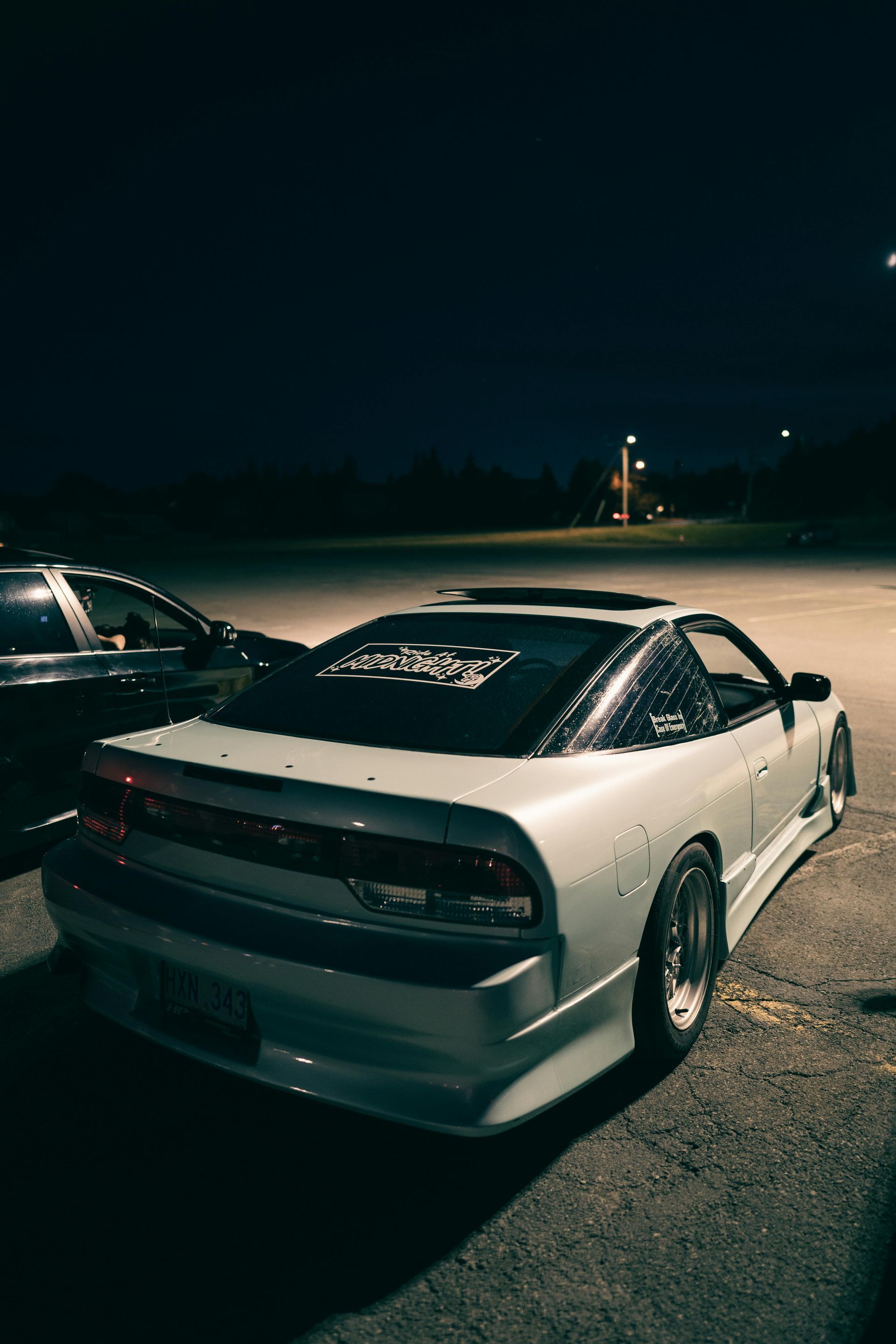
Does Window Tint Affect Visibility at Night in Freedom, WI? (The Truth for Winter Nights) Freedom, WI drivers often question whether window tint reduces night visibility on rural roads, balancing moderate daytime sun protection against safe low-light driving in long winters and snow. Local conditions range from lit town centers to pitch-black county roads where quick hazard detection is critical. Premium films maintain high optical clarity and minimize distortion even at moderate darkness levels, supporting safer night drives without sacrificing benefits. Effectiveness depends on VLT percentage, film quality, tint type, and how you adapt to eastern Wisconsin’s cold, snowy climate. Quality options deliver reliable performance tailored to Freedom’s mixed urban-rural environment. Window Tint Explained: Its Visibility Impact Window tint reduces incoming light, which can impact night vision depending on the visible light transmission (VLT) percentage. This metric measures how much visible light passes through the film and glass combined. Higher VLT allows more light for clearer views; lower VLT darkens the interior and may complicate low-light situations. Quality films provide superior clarity without electronic interference, making them ideal for Freedom’s blend of streets and rural routes. They reduce glare from headlights while preserving sharpness, addressing Wisconsin’s daylight transitions to early winter darkness. Does Nighttime Visibility Decline with Window Tint? Different VLT levels produce measurable nighttime effects. Premium films at 50% VLT offer effective glare reduction with minimal visibility loss. Higher-quality options maintain strong clarity across shades, outperforming basic films in cold, low-light conditions. Window tint can reduce incoming light by 15-50% depending on VLT, amplifying challenges in dark rural areas or snow. Freedom and eastern Wisconsin drivers report increased glare reduction but potential delays in hazard detection on unlit roads. Visibility remains adequate in well-lit zones. Tint minimizes issues when paired with clean windows and adaptive driving, but doesn’t fully compensate for ice fog or heavy snow. Window Tint vs Regular, Carbon, and Other Tints in Wisconsin Winters Ceramic tint outperforms others in Wisconsin’s cold climate. HITEK Films’ Ceramic Films show clear superiority with minimal distortion and strong glare reduction on icy winter nights. Dyed, basic, or metallic options depend on manufacturer quality as some fade, haze, or cause signal interference over time. Carbon offers moderate clarity but lacks ceramic’s sharpness. HITEK Films’ ceramics deliver maximum clarity, long-term stability, and top night driving performance through Wisconsin winters. Benefits of Window Tint Specifically for Freedom Drivers Quality tints reject harsh glare from oncoming headlights, preventing eye strain during night travel on rural roads. UV protection preserves interiors from sun fading. Reduced light distortion eases navigation in mixed lighting. Practical benefits include safer drives in wildlife-prone areas and throughout Freedom’s varying conditions. Legal non-reflective strips above the AS-1 line maximize glare reduction without darkening your view. Wisconsin law permits this option across the top portion. These provide major visibility benefits with no enforcement concerns, ideal for managing winter glare. The trade-off involves higher upfront investment versus everyday safety gains. Window Tint Value for Freedom Night Drives Window tint enhances glare reduction but doesn’t eliminate visibility challenges in pitch-black or snowy areas. Low-light exposure means darker tints amplify shadows from ice scatter and limited lighting. Use adaptive habits or brighter routes alongside your tint. Avoid expecting perfect vision without eye adjustment. In Wisconsin winters, low-quality films may risk bubbling or haze from freeze-thaw cycles. FAQs Does window tint affect visibility at night in Freedom WI / Wisconsin conditions? Yes, but premium films at 50% VLT reduce glare significantly while maintaining good clarity in snow and fog. How much does window tint reduce night visibility compared to no tint? It can darken views by 15-50% depending on VLT, with higher clarity in ceramic versus dyed or metallic films. Is window tint worth it for Wisconsin winter nights? For Freedom drivers facing long darkness, enhanced safety, glare reduction, and comfort justify the investment over no tint. Can you put tint on the windshield in Wisconsin? Yes, non-reflective strips are legal and effective. Wisconsin law allows tint above the AS-1 line. Does window tint reduce glare from headlights and save on eye strain in cold climates? Yes, less glare can improve comfort during night drives. Combine with maintenance for maximum effect.
Does Ceramic Window Tint Really Block Heat in Freedom, WI? (The Truth for Humid Summers) Freedom WI summers typically see average highs of 80-85°F in July, with humidity often pushing the heat index into the 90s and occasional peaks near 90°F+. Many local drivers wonder if ceramic window tint Freedom WI truly reduces cabin heat in this warm, muggy climate or if the claims fall short. Premium nano-ceramic films block significant heat through strong infrared heat rejection, typically 90%+ IR, leading to cooler interiors and less AC strain. Results depend on film quality, installation, and humid conditions. HITEK’s nano-ceramic offerings, such as Ceramic Ultra and Ceramic IR, provide reliable heat performance suited to Wisconsin’s humid summers. What Is Ceramic Window Tint and How Does It Work? Nano-Ceramic Technology Explained Ceramic window tint Freedom WI uses tiny nano-ceramic particles to target infrared heat rejection, the primary mechanism for radiant heat transfer from sunlight. This non-metallic design blocks heat without interfering with GPS, cell signals, or radio reception, unlike metalized films. HITEK’s Ceramic Ultra achieves up to 96% IR rejection at 1025nm and 71% total solar energy rejection (TSER), while Ceramic IR delivers 75% broad-range rejection (740-2500nm). The technology rejects solar energy at the glass surface, addressing Wisconsin humidity challenges effectively. Does Ceramic Tint Actually Block Heat? Real Performance Stats IR Rejection, TSER, and Heat Reduction Numbers Premium ceramic tint heat rejection stands out with high metrics. HITEK Ceramic Ultra reaches up to 71% TSER and 96% IR rejection, plus 99% UV block across shades. Other lines like Ceramic Plus offer 90-92% IR rejection and 61-69% TSER depending on VLT. Top options achieve up to 98% IR rejection, outperforming basic or carbon films in blocking radiant heat block Wisconsin. How Much Cooler Does Your Car Get in Freedom? Ceramic tint reduces car interior temperature by 15-30°F after parking in humid 85-95°F sun. Appleton-area and Northeast Wisconsin drivers note less muggy entry feel and reduced initial AC blast. Interiors stay measurably cooler during humid WI heat. Parked vehicles all day still accumulate heat. Tint slows buildup but doesn’t stop it entirely. Pair with shades or ventilation for optimal results. Ceramic Tint vs Regular, Carbon, and Other Tints in Wisconsin Heat Why Ceramic Wins for Humid Summers Ceramic vs regular tint WI shows clear advantages. Dyed or basic films can provide limited IR block and may fade quicker depending on the manufacturer. Carbon improves over dyed options with moderate IR rejection but lags behind ceramic’s 90%+ IR and superior TSER. Metalized options risk signal issues. In Wisconsin’s humid climate, ceramic vs carbon tint favors ceramic for maximum heat block Wisconsin, stability, and best tint for Wisconsin heat. Premium ceramic films, such as those made by HITEK Films , deliver consistent performance without signal interference or durability concerns. Benefits of Ceramic Tint Specifically for Freedom Drivers UV Protection, Glare Reduction, and AC Savings HITEK films reject 99% UV rays, protecting interiors from fading and cracking under Wisconsin sun. Glare drops sharply for safer drives. Reduced cabin heat eases AC load, practical savings include lower fuel use from shorter cool-downs in Freedom traffic and Appleton-area summers. Windshield Options for Maximum Heat Block Clear nano-ceramic films like HITEK Ceramic Clear (42% TSER) maximize infrared heat rejection without darkening. Wisconsin law permits non-reflective tint above the AS-1 line (top 6 inches) or fully clear UV/IR films across the windshield. These deliver substantial cooling with no visibility issues or major enforcement concerns, ideal for humid glare. Trade-off: higher initial investment versus daily comfort gains. Is Ceramic Window Tint Worth It in Freedom? Pros and Cons Limitations and Realistic Expectations Ceramic tint dramatically slows heat buildup but doesn’t eliminate it. Prolonged exposure in humid conditions means parked cars still warm from convection and road heat. Pair with shade parking or ventilation. Avoid expecting zero heat without airflow. In Wisconsin humidity, low-quality films may risk bubbling from moisture depending on the manufacturer, premium brands prevent this. Premium ceramic films, such as those made by HITEK Films , resist moisture-related failures and maintain performance over time. Choosing the Best Ceramic Tint Brands for Wisconsin HITEK Films stands out with Ceramic Ultra (96% IR, 71% TSER, lifetime warranty) and Ceramic IR (75% IR, color-stable). These films match top industry standards in humid conditions. Prioritize warranties covering moisture and UV. HITEK’s lifetime options ensure long-term durability. High-spec films deliver consistent heat rejection and clarity across Freedom’s seasonal temperature swings. Tips for Getting the Best Ceramic Tint Installation in Freedom WI For best ceramic tint Freedom WI, select nano-ceramic like HITEK’s lines for superior ceramic tint Freedom WI results. Professional installation ensures proper adhesion and prevents moisture-related issues in Wisconsin’s humid climate. FAQs Does ceramic tint really make a difference in Freedom WI / Wisconsin heat? Yes, premium options like HITEK Ceramic Ultra reduce interior temps by 15-30°F in humid conditions and ease radiant heat noticeably. How much heat does ceramic window tint block compared to regular tint? Ceramic blocks 90-98% IR versus much lower in regular or dyed films, with higher TSER for better solar rejection. Is ceramic tint worth the extra cost for Wisconsin summers? For Freedom drivers facing humid heat, better comfort, AC savings, and protection justify premium ceramic films over basic options. Can you put ceramic tint on the windshield in Wisconsin? Yes, clear high-IR ceramic films are legal and effective. Wisconsin law allows non-reflective tint above the AS-1 line (top 6 inches) or fully clear UV/IR films across the windshield. What’s the best ceramic tint for maximum heat rejection in Freedom WI? HITEK Ceramic Ultra (96% IR, 71% TSER) provides top rejection without signal issues. Does ceramic tint reduce AC use and save gas in humid climates? Yes, reduced AC runtime can lower fuel consumption in WI summers by decreasing cool-down demands. Pair with smart habits for best results. Ready to beat Freedom’s humid heat? Call us for expert guidance on the right ceramic window tint for your vehicle and Wisconsin’s climate.
Difference of Aftermarket Tint and Factory Tint: Freedom, WI Complete Guide Freedom, WI drivers searching factory tint vs aftermarket tint need accurate facts about protection, comfort, and legality under Wisconsin conditions. Many Outagamie County drivers assume dark factory glass blocks heat and UV during summer glare and winter snow. That assumption creates avoidable safety and compliance problems. This guide explains the differences using Wisconsin law, technical performance metrics, and safety considerations for car window tinting Outagamie County drivers rely on. What is Factory Tint? Understanding “Privacy Glass” Factory tint refers to darkened glass installed during vehicle production to increase privacy. It reduces outside visibility while maintaining interior views during daylight driving. Its appearance gives the impression of protection, but performance remains limited. Privacy glass serves style, not protection. Making Factory Tint Manufacturers embed dye between glass layers during assembly. The color becomes a permanent part of the glass structure. No film or coating exists to improve heat, glare, or UV protection. This construction prevents future performance upgrades. Why it looks dark but lacks protection Privacy glass lowers Visible Light Transmission (VLT) for appearance rather than performance. It blocks significantly less UVA radiation than aftermarket ceramic film. Infrared heat passes through the glass, raising cabin temperatures. Aftermarket Tint: The Performance Upgrade Aftermarket tint applies bonded film to existing vehicle glass. Heat rejection window film blocks UV, reduces glare, and lowers interior heat load. These gains improve comfort in all Wisconsin seasons. HITEK Films produce aftermarket tints that focus on measurable protection rather than visual darkness. Ceramic vs. Carbon: Which is best for Freedom, WI? Ceramic window tint delivers superior performance over privacy glass. It blocks infrared heat without metal particles, preserving electronics and signals. Carbon film resists fading and holds color at lower cost. HITEK Films produce ceramic options that provide 99% UV protection for cars. TSER Explained: Why Heat Rejection Beats Darkness TSER, or Total Solar Energy Rejection, measures blocked UV, visible light, and infrared heat. Factory glass reaches 20–30% TSER. High-TSER films exceed 55%, lowering cabin heat. Shade affects appearance; TSER affects comfort. Staying gal Wisconsin Window Tint Laws 2025 Legal tint Freedom WI depends on precise VLT readings under Wisconsin window tint laws 2025. Law enforcement checks front windows closely across Outagamie County. Compliance prevents citations and forced removal. Accuracy matters more than appearance. The 50/35 Rule (Front vs. Back windows) Wisconsin law requires 50% VLT front windows for safe visibility. Rear side windows and back glass allow up to 35% VLT. Windshields allow tint only above the AS-1 line. Visible Light Transmission defines the percentage of light passing through glass. The 3% Variance: Understanding Wisconsin’s legal “wiggle room” Tint meters allow a 3% measurement variance. Most meters allow a small margin of variance, which professionals account for. Professionals confirm final VLT after installation. Can You Tint Over Factory Privacy Glass? Drivers can tint over factory glass if the total VLT meets legal limits. Most factory privacy glass measures 65–70% VLT. Adding film drops total VLT faster than expected. Calculation ensures legality. The VLT Math Trap: Why SUVs Risk Illegal Tint Seventy percent factory glass plus fifty percent film equals roughly 35% total VLT. That violates Wisconsin front window laws. SUVs face higher risk because factory glass starts darker. Front windows need lighter film selections. The Mirror Rule: Why dual side mirrors matter for Freedom drivers Wisconsin law requires dual side mirrors when rear glass drops below 60% VLT. Many trucks leave the factory without a passenger-side mirror. Mirror upgrades prevent roadside violations along Highway 41. Side-by-Side Comparison: Factory vs. Aftermarket Factory tint blocks visible light but almost no UVA rays. Aftermarket film blocks up to 99% UV and reduces cabin heat with higher TSER ratings. Factory glass shatters during collisions. Aftermarket film holds shattered glass together and improves winter insulation by reducing heat loss. Conclusion: Making the Best Choice for Wisconsin Weather Factory tint improves appearance but limits protection and comfort. Aftermarket tint improves safety, heat control, and winter driving conditions. Tints produced by HITEK Films block UV, reduce glare, and support cabin insulation for Wisconsin weather. Measure factory VLT before upgrades and select compliant film options. For car window tinting Outagamie County drivers depend on, informed choices protect comfort and legality. Call and get professional advice, a legal compliance opinion, or a detailed tint evaluation.

Cheap Window Tint For Drivers In Freedom WI (Full Guide) You’re researching whether is cheap window tint a waste of money in Freedom WI because Fox Valley winters and humid summers place unusual stress on vehicle glass, adhesives, and film coatings. This guide explains how local weather, and film construction determine whether budget tint becomes a short-term fix or a long-term liability. Why Budget Window Tint Fails in Outagamie County Freedom drivers often choose low-priced backyard installations instead of controlled professional installs, not realizing how much the environment affects final results. These installations are rarely done in dust-controlled spaces, allowing agricultural pollen and debris to settle between the glass and the film. Even microscopic contamination creates permanent bubbles that cannot be repaired after curing. Outagamie County window tint services regularly remove failed film installed in garages, driveways, and temporary pop-up shops. Big-box kits also ignore window tinting Freedom WI realities such as proper surface preparation, controlled humidity, and correct curing temperatures. Why Wisconsin Weather Destroys Cheap Film Wisconsin’s climate creates one of the most difficult environments in the country for window film performance. Glass expands in summer heat and contracts sharply in winter cold, placing constant mechanical stress on both the film and the adhesive layer. Freeze–Thaw Cycles: Why Cold Winters Destroy Cheap Adhesives Window tint bubbles when adhesive bonds fail under repeated expansion and contraction of the glass. In cold climates, low-grade water-based adhesives can become brittle during winter and soften again during summer. This freeze–thaw cycling weakens the bond between film and glass, creating lifting edges, air pockets, and progressive delamination. Higher-quality carbon and ceramic films use more stable adhesive systems designed to remain flexible across wide temperature ranges. In rural Wisconsin driving, early failure is often first noticed as edge lifting along the bottom of side windows during daily highway commutes. Purple Window Tint: UV Breakdown in Dyed Films Dyed window tint can fade or shift color over time due to ultraviolet exposure. This does not occur in every dyed film and depends heavily on the manufacturer, dye chemistry, and coating quality. In a general sense, lower-grade dyed films are more prone to long-term color instability, which can reduce visibility and create a permanent haze. Advanced ceramic films, such as those made by HITEK Films , use non-dye-based technology and are engineered to resist color change while maintaining consistent optical clarity over many years of sun exposure. Ceramic vs Dyed Window Tint: Snow Glare Protection in Wisconsin Ceramic vs. dyed window tint performance differences are most noticeable in winter driving. Ceramic films reduce glare from snow and low-angle sunlight more consistently because they maintain stable optical clarity as temperatures fluctuate. Carbon window tint vs. ceramic represents a middle tier, offering improved stability over dyed film but less long-term optical consistency than ceramic. Both outperform dyed film in glare control and longevity on slush-covered highways. Ceramic tint also balances heat rejection in summer and heat retention in winter, creating year-round thermal stability inside the cabin. This dual function defines core winter window tinting benefits Wisconsin drivers rely on during both sub-zero mornings and humid summer afternoons. Advanced ceramic films, such as options from HITEK Films , are engineered to remain stable across extreme temperature swings without dye-based color change. Pay Once or Pay Thrice? Understanding the average cost of car tinting in WI requires separating installation price from total ownership cost. Cheap tint often saves money at installation but increases lifetime cost through early failure, removal labor, and replacement. Repeated replacement cycles also increase the risk of glass damage, defroster line failure, and adhesive residue that becomes progressively harder to remove with each attempt. The Cost of Removal in Freedom, WI Window tint removal cost Wisconsin rises sharply when cold weather hardens failed adhesive and turns removal into a manual scraping process. Poor-quality films often fracture into small pieces during removal, increasing labor time and the risk of glass damage. How Bubbled Tint Kills Trade-In Value Bubbled, purple, or peeling tint immediately signals poor maintenance to used-car appraisers. Vehicles with failed window film often receive lower trade-in offers because removal and replacement become necessary before resale. Clean, professional installations preserve resale value by demonstrating proper UV protection, consistent appearance, and long-term care. FAQs What is the darkest legal tint in Wisconsin for 2026? Wisconsin law allows 50% VLT on front side windows and 35% on rear side windows and rear glass. The windshield is limited to a top strip above the AS-1 line. Always verify compliance with a VLT meter after installation. Is ceramic tint worth the upgrade? Yes. Ceramic tint offers superior thermal stability, consistent glare reduction, and long-term optical clarity. It also resists color change better than dyed film and typically lasts far longer in extreme climates. How long does cheap window tint last in Wisconsin? In general, low-grade tint lasts only a few years before showing edge lifting, discoloration, or bubbling. Quality ceramic films commonly last a decade or more under the same conditions. 👉📞 Call (920) 372-2566 and get professional advice on choosing window tint that withstands Wisconsin weather.